Skip to product information
1 of 5

Soup & Simmer Ingredients

Tong Cao (Rice Paper Plant Pith)

Tong Cao (Rice Paper Plant Pith)

Regular price $8.00 CAD
Regular price Sale price $8.00 CAD
Sale Sold out
Shipping calculated at checkout.
  • Vacuum-sealed: Freshness kept, clean, easy to store
  • Free shipping: $75+ (Greater Vancouver), $99+ (Canada-wide)
  • Sending as a gift? Add a free personalized message card!

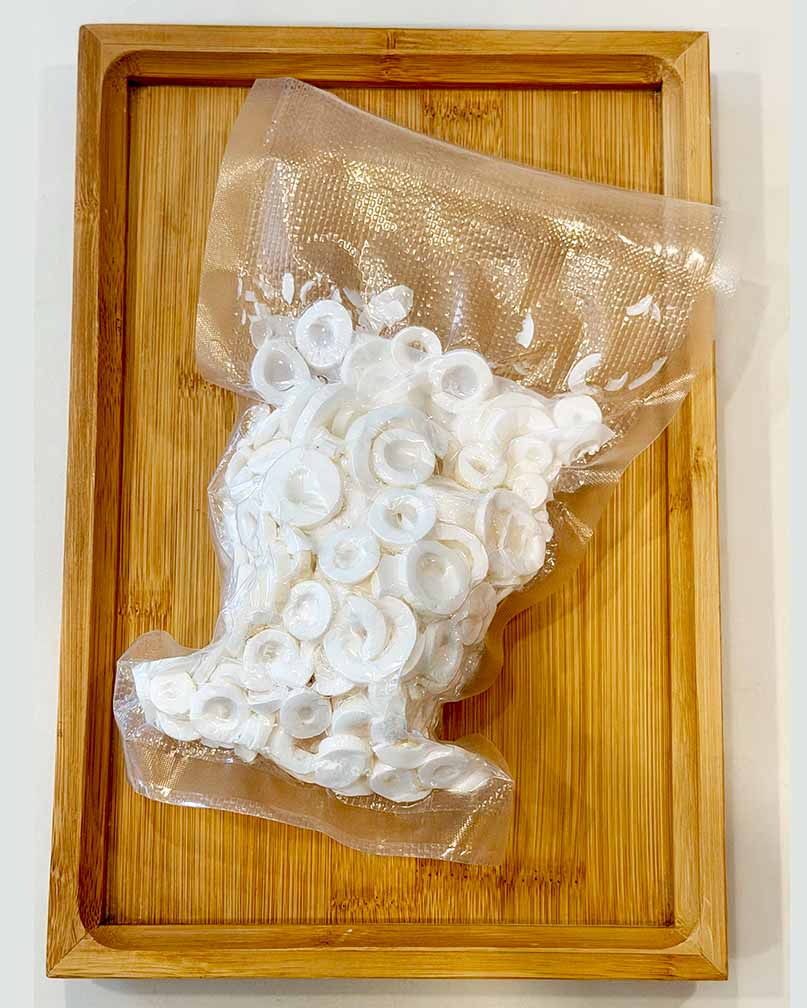
Tong Cao (通草), also known as rice paper plant pith (Tetrapanax papyrifer pith), is a traditional Chinese soup ingredient commonly used in Cantonese and Guangdong-style soups. Light and sponge-like, it absorbs broth beautifully for a delicate, well-blended finish—perfect when you prefer a lighter, clearer-style pot.

It can be used in a soup pot, or simmered on its own as a simple, light herbal-style drink. It also appears in traditional postpartum and confinement soup recipe culture, often referred to as zuo yue soup (坐月湯 / zuo yue tang), including family recipes sometimes labeled “Tong Nai Tang” (通奶湯).

Quick facts

  • Type: Dried soup & simmer ingredient (Tong Cao / Rice Paper Plant Pith, plant pith)
  • Flavour profile: Light, clean finish • absorbs flavour
  • Best for: Chicken or pork clear soups • lighter, clearer-style broths • simple simmered soup drinks
  • Texture: Soft and porous after simmering
  • Net weight: 10g
  • Serving guide: About 5g per pot (10g pack makes about 2 pots)
  • Prep: Quick rinse (optional brief soak)
  • Storage: Cool, dry place. Avoid direct sunlight.

Ingredients

Tong Cao / Rice Paper Plant Pith (Tetrapanax papyrifer pith)

Suitable For

.Clear, light soups you want to taste “clean”
.Adding a gentle, delicate feel to the broth
.People who like a lighter soup profile (not heavy/creamy)
.Also commonly seen in Cantonese soup traditions and in traditional postpartum and confinement soup recipe culture, often referred to as zuo yue soup (坐月湯 / zuo yue tang). In some family recipe notes, you may also see soups labeled “Tong Nai Tang” (通奶湯).

*The above information is provided for general ingredient knowledge only.

Method and Serving Size 

Serving guide (per pot): About 5g per pot

How to cook (basic):
1. Quick rinse Tong Cao. (Optional: soak 5–10 min for faster softening.)
2. Add to your soup pot at the start of simmering.

Pro tip: Tong Cao absorbs broth — it’s great in lighter pots where you want the flavours to feel “well blended”.

Other Cooking Methods

.Pressure cooker: Add from the start; cook as per your soup program.
.Slow cooker: Add from the start.
.Double-boil: Add from the start for a gentle, clear soup finish.

Pairs Well With

.Umami boost: Dried Octopus (乾章魚) / Dried Scallop (元貝)

Storage and Best Before

Store in a cool, dry place. Avoid direct sunlight.
Best before: See package.
After opening: Reseal tightly and keep dry.

Country of Origin and Packaging

.Packaging: Vacuum-sealed for freshness
.Packed in: Canada

The amount of ingredients in the picture is for reference only, the actual amount will be adjusted according to the prepared soup recipe

View full details

Learn more about Tong Cao

What is Tong Cao (通草)?

Tong Cao (通草) is rice paper plant pith, also called Tetrapanax papyrifer pith. It’s a traditional Cantonese soup ingredient commonly used in Guangdong-style Chinese soups, especially clear, lighter-style broths.

What does Tong Cao taste like, and what does it do in soup?

Tong Cao is very mild in flavour. Its main culinary role is texture: it absorbs broth and helps create a soup finish that feels clean, light, and well-blended. It works best when you want a clearer pot without adding stronger flavours.

Do I need to prep Tong Cao (通草) before cooking?

A quick rinse is usually enough. Tong Cao (rice paper plant pith / Tetrapanax papyrifer pith) is very light and mild, so you can add it straight to the pot and let it soften during simmering. If you’re short on cook time, a brief soak is optional, but not required.

When should I add Tong Cao to soup, and how much should I use?

Add Tong Cao from the start of simmering so it has time to soften and absorb flavour. A good starting point is 5g per pot, then adjust based on how “light” or “rich” you want the soup to feel. For pairing, it goes well with dried seafood (e.g. dried octopus) and sweet-balancing ingredients (e.g. dried fig).

Is Tong Cao used in postpartum or confinement soup recipes (坐月湯 / 通奶湯)?

Yes. Tong Cao appears in some traditional postpartum soup and confinement soup recipes, often referred to as zuo yue soup (坐月湯 / zuo yue tang) in Cantonese food culture. In some family recipe notes, you may also see soups labeled “Tong Nai Tang” (通奶湯).

*The above information is provided for general ingredient knowledge only.

  • SOUP-READY & FLAVOR-ENHANCING

    Carefully selected dried soup ingredients that add depth, aroma, and texture to Hong Kong-style soups.

  • Cooking pot icon with steam and lifted lid 有蒸氣、掀開鍋蓋的煲湯鍋圖示

    BUILD & BOOST YOUR POT

    Mix and match to create your own soup — perfect for refills, add-ons, and custom pots based on what your family loves.

  • SAFE, FRESH & HYGIENIC

    Individually vacuum-sealed to keep ingredients clean, dry, and fresh — easy to store in your pantry.

  • FLEXIBLE PORTIONS

    Use as much or as little as you need — ideal for small families and anyone who wants less waste + more control.